Do You Really Need Expensive Supportive Shoes? The Truth About Arch Support & Foot Pain
We’ve all heard it before: “You need supportive shoes to prevent foot pain!” Shoe companies, salespeople, and even well-meaning friends often push the idea that expensive, high-arch support shoes are the key to healthy feet. But is that really true? Let’s bust some common shoe myths and explore what your feet actually need.
Myth #1: Flat Feet Always Need Arch Support
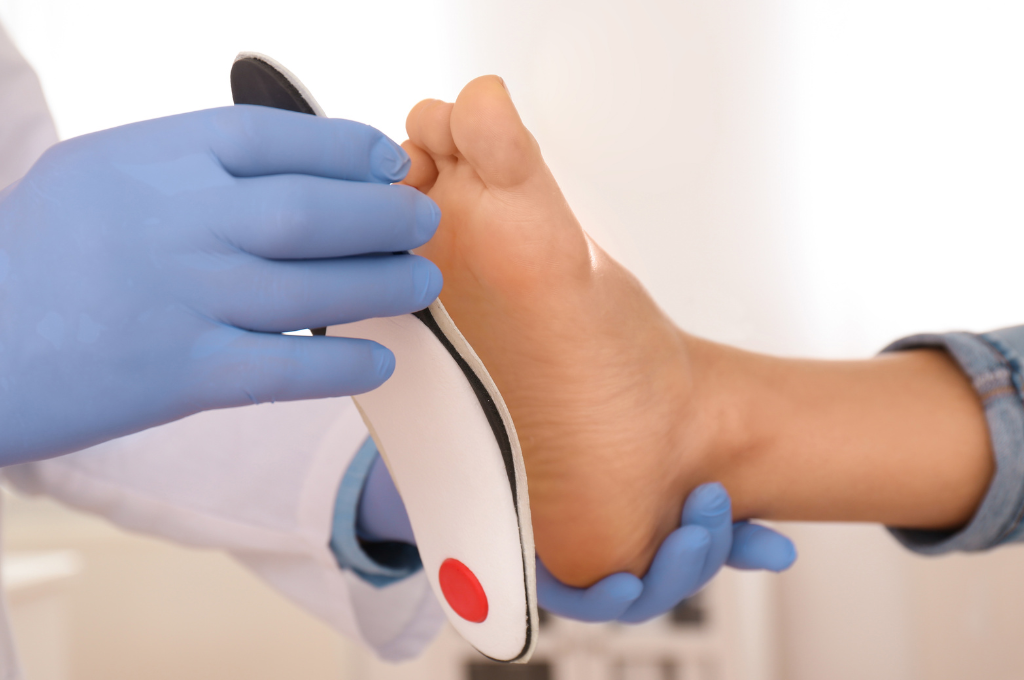
Many people assume that flat feet automatically mean pain and dysfunction. But recent research suggests otherwise. Not everyone with flat feet has pain, and not everyone with high arches is pain-free. Foot posture varies naturally, and forcing excessive arch support where it’s not needed can sometimes do more harm than good.
 Reality Check: If your flat feet don’t hurt, you probably don’t need corrective support! In fact, over-reliance on arch support can weaken the muscles in your feet over time.
Myth #2: More Cushioning = Better for Your Joints
It seems logical—more cushioning should mean less impact on your knees and back, right? Not necessarily. Studies show that excessive cushioning can actually alter the way you walk, sometimes increasing stress on your joints rather than reducing it.
 Reality Check: Your body is designed to absorb shock naturally. Strengthening your foot muscles and improving mobility can be more effective in reducing pain than simply relying on thick, cushioned soles.
Myth #3: You Should Always Wear Shoes with Built-in Support
Many people believe they should wear supportive shoes all the time—even at home. But constantly supporting your feet without allowing them to move naturally can weaken the muscles that help stabilize your arches.
 Reality Check: Spending some time barefoot or in minimalist shoes can help strengthen your feet, improve balance, and promote better movement patterns. Gradual exposure to barefoot activities can be beneficial for many people.
The Foot-Knee-Back Connection
Your feet don’t just affect your ankles—they influence your knees, hips, and even your lower back. If your shoes change the way you walk (for example, by lifting your arch too much), they can alter your entire movement chain, sometimes leading to knee pain, hip discomfort, or lower back issues.
 What to Do Instead?
Focus on strength. Exercises like toe curls, calf raises, and foot mobility drills can improve foot function better than artificial support.
Choose shoes based on comfort, not hype. The “best” shoe varies from person to person. If you feel good walking in it and don’t experience pain, it’s likely a good fit for you.
Listen to your body. If you’ve been wearing highly supportive shoes for years, don’t ditch them overnight. Gradually transition to less support if needed.
Final Thoughts: Should You Spend on Expensive Shoes?
Not necessarily! High price tags don’t always mean better support or better health. What matters most is how your shoes feel and how they affect your movement. Instead of blindly following trends, focus on strengthening your feet and wearing what works best for your body.
So, before you drop big money on the latest “orthopedic miracle shoe,” consider whether you actually need it—or if your feet just need a little more freedom to move naturally!