Why “just rest” keeps failing your body
You get injured, someone tells you, “Just rest for a few weeks, it’ll be fine,” and you stop everything no gym, no sport, sometimes no walking properly. Then when you try to get back, the pain is still there, or you feel weak and scared to move.
Rest feels safe, but rest alone rarely fixes sports injuries. Research and modern physio practice now show that the right kind of movement, at the right time, helps tissues heal better and faster than complete rest. Too much rest can actually slow recovery and set you up for stiffness, weakness, and repeat injuries.

Rest is important—but only in the first phase
“So are you saying I should never rest?”
No. Rest has a role. Just not the only role.
In the first 24–72 hours after an acute injury (like a sprain, strain, or muscle pull), reducing load, avoiding painful movements, and controlling swelling is important. This helps protect the injured tissue and calms the initial inflammation.
The problem is when this “short, protective rest” turns into weeks of avoiding movement. That’s when muscles weaken, joints stiffen, and your confidence drops. Studies in musculoskeletal injuries show that prolonged complete rest can delay recovery and negatively affect normal, healthy tissues.
What to do instead:
Use short-term relative rest in the very early phase (less load, not zero movement).
As pain and swelling settle, start gentle, guided movements rather than staying completely inactive.
See these early exercises as “healing signals” for your body, not something to be scared of.
At MoveSync Physio we explain clearly how long to protect and when to start moving, so you don’t stay stuck in rest mode.
What happens when you only rest
Rest feels like you’re “avoiding damage,” but your body doesn’t see it that way. When you stop moving for too long:
Muscles around the injured area get weaker and smaller.
Joints become stiffer, making daily movements and sport feel harder.
Blood flow and circulation reduce, which can slow tissue healing.
Your body develops compensations you limp, shift weight, or move differently, which can overload other areas.
Your brain can become more protective and fearful of movement, increasing pain sensitivity.
Multiple reviews and clinical experience in physio show that active rehabilitation often outperforms passive, “just rest” approaches for many sports and joint injuries.
Result: you feel okay when doing nothing, but the moment you try to run, jump, bowl, or lift again, the pain returns because the injury was never truly rehabbed, just “paused.”
Why the right movement beats complete rest
The big shift in modern sports rehab is this:
“Rest is not best; the right movement is best.”
Controlled, progressive movement:
Stimulates tissue repair by improving blood flow and signaling the body to lay down stronger collagen.
Helps muscles regain strength and endurance gradually.
Keeps joints mobile, preventing stiffness and frozen-feeling joints.
Retrains balance, coordination, and confidence, which pure rest can never do.
In some injuries (like muscle strains), studies show that early, controlled loading within a few days can shorten time to full recovery without increasing reinjury risk, compared with waiting too long to start rehab.
Key idea:
It’s not about random movement; it’s about guided, well-timed movement that matches your stage of healing.
At MoveSync Physio, this is exactly what we do—decide which movements, how much, and when.
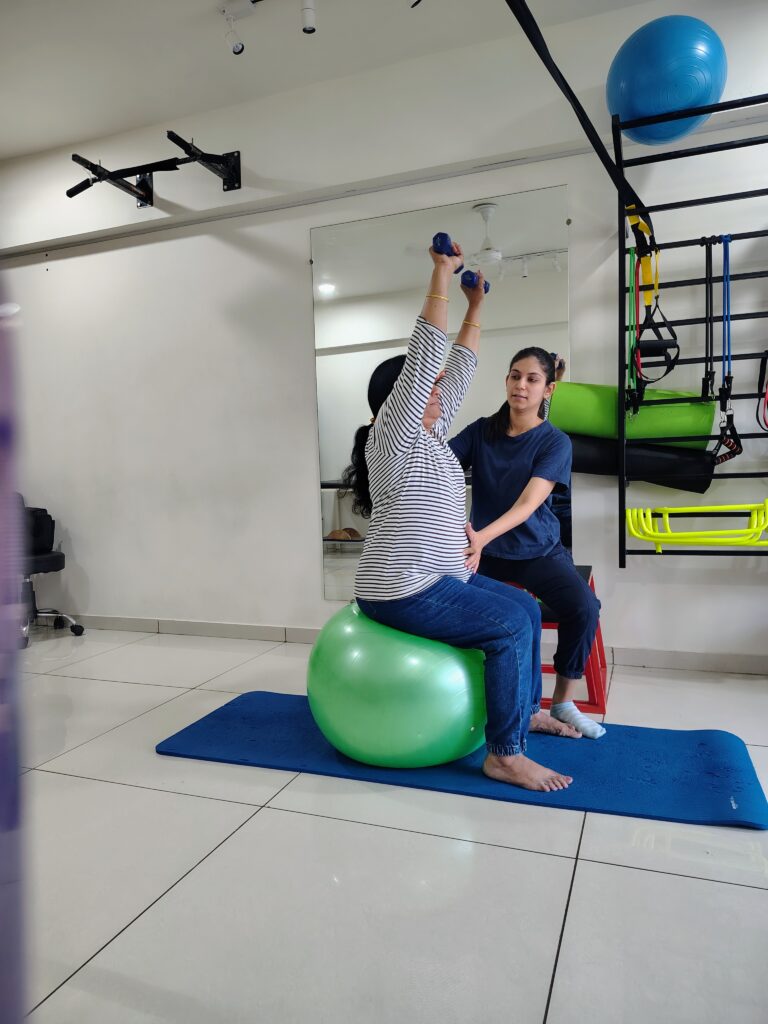
“Active rest”: what you should actually be doing
Instead of a strict “do nothing” approach, think in terms of active rest.
Depending on your injury and stage, this often includes:
Pain-free range of motion exercises for the injured joint (gentle bends, straightening, rotations).
Isometric exercises (tension without big movement), for example, pushing gently against resistance without joint movement to start waking up the muscle safely.
Low-impact cardio if appropriate like cycling, pool work, or walking to keep fitness and circulation going.
Strength work for non-injured areas: training the rest of the body so you don’t lose full-body strength.
This approach is backed by decades of research: early, controlled activity promotes better restoration of function than prolonged immobilisation for many soft-tissue and joint injuries.
At MoveSync Physio, we call this phase “smart movement, not silly movement” keeping you active in a way that supports healing instead of fighting it.
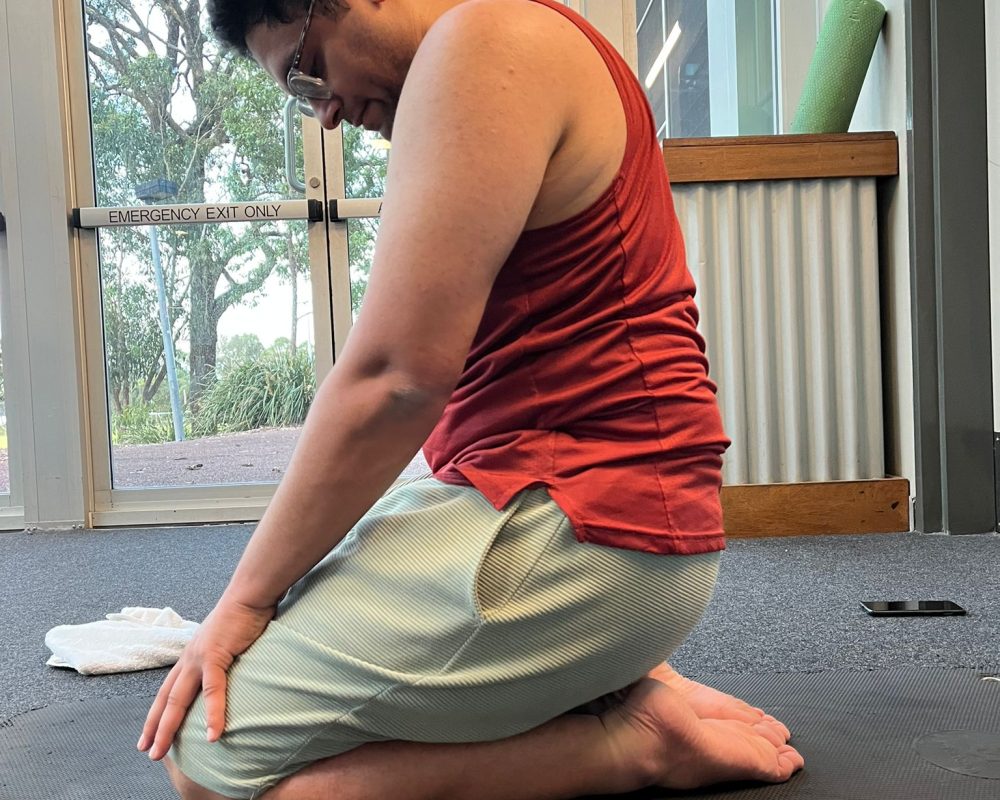
When rest becomes risky
There are a few warning signs that you’ve been resting too much and too long:
You feel okay at rest but pain shoots up with simple movements like stairs, squats, or a light jog.
Your injured side feels noticeably weaker or thinner than the other side.
The joint feels stiff every time you try to move it, and warm-up takes forever.
You’ve been told to “just rest” for weeks, but there is no clear plan to reintroduce strength or sport-specific movement.
In these cases, continuing to rest won’t suddenly fix things. What you need is a structured plan to rebuild strength, mobility, and confidence around the injury.
This is where a sports physio-led program can change the whole story from “stuck in pain and fear” to “back on the field with a plan.”
How MoveSync Physio approaches “rest vs movement”
At MoveSync Physio & Sports Rehab in Ahmedabad, we rarely say “just rest and see.” Instead, we:
Assess the injury properly: check which structures are involved, how severe it is, and what you can safely do.
Guide you through phases:
Early protection and pain control,
Active rest and gentle mobility,
Progressive strength and load,
Sport-specific drills and return-to-play testing.
Tailor the rehab to your sport and role bowler vs batter, midfielder vs defender, runner vs lifter.
Educate you on how much to move, what to avoid, and when to push, so you’re not guessing.
Our goal is simple:
Less fear, less downtime, more smart movement, and a stronger return to the game.
Final takeaway: don’t let “rest” steal your season
Rest has its place, especially in the first days after an injury. But if “just rest” has been your only plan for weeks, you’re likely slowing your own recovery and increasing your risk of future problems.
If you’re stuck in that phase where:
you’ve rested,
pain is still there, or
you’re scared to move properly,
it’s time to switch from rest-only to movement-smart.
At MoveSync Physio & Sports Rehab, Ahmedabad, we’ll guide you step by step from pain and confusion to confident movement with a structured, evidence-aligned rehab plan.
- Book your sports-specific physio assessment
- +91 9558887919
- 603, Anushri Accolade, Ahmedabad