The Young Athlete Epidemic: Managing Overuse Injuries in Badminton & Cricket Academies (Ages 12–17)
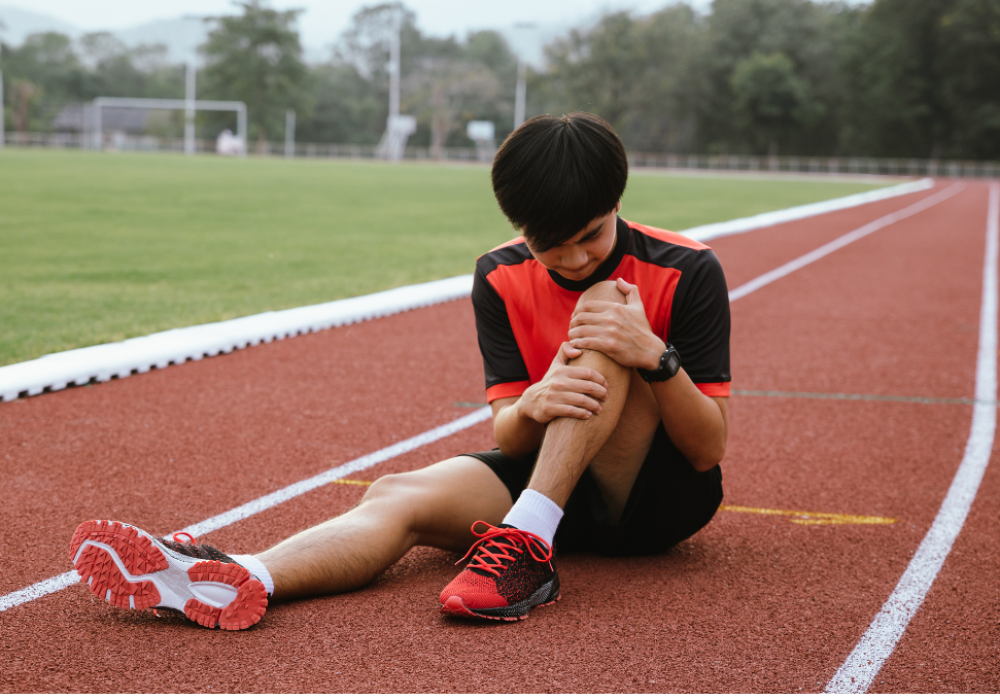
Across sports academies in Ahmedabad—from local cricket pitches to high-load indoor badminton courts—young athletes are pushing their boundaries. However, we are currently seeing a significant spike in adolescent players aged 12–17 presenting with complaints that used to be reserved for adult professionals: sharp anterior knee pain, clicking shoulders, and persistent elbow strain.
When a child’s training performance drops, the most common response is to tell them to take anti-inflammatories or enforce a blanket “2 weeks of absolute bed rest.” But the moment they return to full training volume, the pain returns—often worse than before.
The Intersection of Growth Spurts and Training Volume
Young athletes are not miniature adults. Their skeletal systems are moving through rapid developmental phases, where bones often grow faster than the surrounding tendons and muscles can naturally lengthen. This structural imbalance places intense, continuous tension across their growth plates.
When you add high-volume academy training—such as a cricket bowler executing repetitive overhead actions or a badminton player repeatedly landing from explosive jumps—the joint mechanics rapidly break down:
Osgood-Schlatter Disease
Intense tension from repetitive quad contractions pulls at the growth plate just below the kneecap, causing structural swelling and severe pain during running or kneeling.
Scapular Dyskinesis
As an adolescent overhead athlete grows, weak shoulder blade control causes the rotator cuff tendons to become mechanically compressed during throwing or racquet strikes.
The Hidden Risk Factor: External Pressure
The most common reason a young athlete’s recovery fails isn’t physical. It is a combination of returning to intense training too early due to parent or coach pressure, training overload from multiple simultaneous academy activities, and nutritional deficiency during rapid growth periods. Clearing a 14-year-old to play without addressing their full structural training load is an incomplete strategy.
Moving Beyond Generic Protocols
For young athletes, clearance to return to training should never be based on time alone. At MoveSync, our Youth Sports Prehab Programs use objective functional benchmarks—such as single-leg landing mechanics, rotational joint symmetry testing, and movement screening—to ensure their tissues can handle the impact loads of competitive academy play safely.