Shoulder Rotator Cuff Injuries: Are You at Risk?
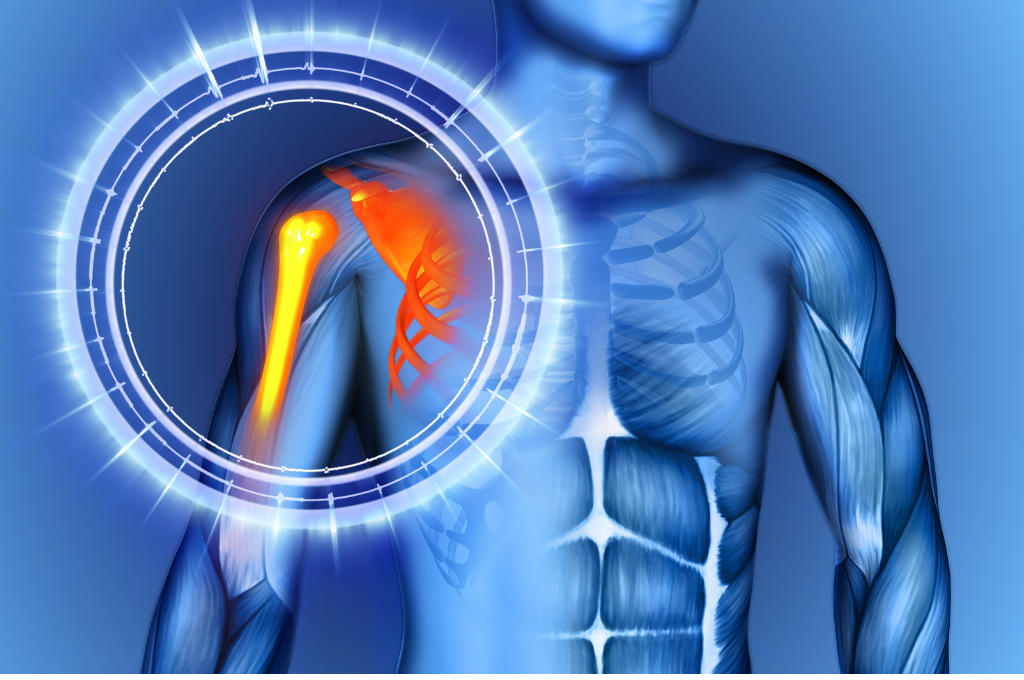
Shoulder pain can be frustrating, whether you’re an athlete, a gym enthusiast, or someone who spends long hours at a desk. The rotator cuff, a group of four small but powerful muscles, plays a crucial role in shoulder stability and movement. When these muscles get irritated, torn, or weakened, even simple tasks like reaching overhead or lifting objects can become painful.
So, what puts you at risk for a rotator cuff injury? Let’s break it down.
Why Shoulder Injuries Are So Common
The shoulder joint is one of the most mobile joints in the body, allowing you to lift, throw, push, and pull. But this mobility comes at a cost—less stability.
Here’s why injuries happen frequently:
 Athletes & Fitness Enthusiasts
- Repetitive overhead motions (like throwing, swimming, or weightlifting) put stress on the rotator cuff.
- Poor technique in exercises like bench press, shoulder press, or pull-ups can overload the tendons.
- Ignoring prehab exercises (like external rotations) leads to imbalances.
 Desk Workers & Sedentary Lifestyles
- Prolonged sitting with poor posture causes rounded shoulders and weakens the stabilizing muscles.
- Lack of movement leads to tight chest muscles and weak upper back muscles, increasing strain on the shoulder joint.
 Aging & Wear-and-Tear
- Over time, the rotator cuff tendons naturally degenerate, making them more susceptible to injury.
- Small micro-tears, if ignored, can lead to partial or full-thickness rotator cuff tears.
Early Signs of Rotator Cuff Injury: When to Take It Seriously
Many people ignore shoulder pain, assuming it will go away. But certain symptoms indicate a rotator cuff issue that needs attention:
 Persistent dull ache deep in the shoulder Pain at night, especially when lying on the affected side Weakness when lifting objects or raising the arm overhead Clicking or popping sounds with movement Pain that worsens with repetitive use
 When to See a Physiotherapist?
If pain lasts more than 2 weeks, worsens, or affects daily activities, it’s time for an assessment. Early intervention can prevent further damage and speed up recovery.
Final Thoughts
Rotator cuff injuries can sideline both athletes and desk workers. But with proper awareness and early intervention, you can avoid long-term shoulder issues. Don’t wait for pain to become a serious problem—take action today!