TMJ & Headache
TMJ Pain, Headache & Jaw Physiotherapy in Science City, Ahmedabad
Chronic headaches, jaw tension, or that constant feeling of being off-balance? It may not be what you think.
The area where your jaw meets your neck is one of the most overlooked pain sources in the body. When the balance between the jaw joint (TMJ) and the upper cervical spine is disrupted, the effects spread — chronic headaches, facial pain, jaw clicking, dizziness, and difficulty eating or speaking can all trace back to the same area.
Many patients spend years treating symptoms — taking medication for migraines, wearing splints for jaw pain — without ever addressing the mechanical cause.
At MoveSync, we offer a specialist approach to TMJ disorders, cervicogenic headaches, and related cranio-cervical conditions — including advanced osteopathic techniques that most physiotherapy clinics do not offer. MoveSync is led by Dr. Mansi Shah, MPT (Orthopaedics & Sports) with a fellowship in Osteopathy and 14+ years of clinical experience — ensuring every patient receives the same standard of care.

Highly rated on Google · Science City, Ahmedabad
14+ years in orthopaedic and sports physiotherapy
MPT + Fellowship in Osteopathy · Evidence-based treatment
Trusted by desk workers, athletes, and active adults
What Patients Say
I was suffering from posture problems and TMJ pain for 2 years. After coming here and attending Mansi mam's sessions I found great relief in my pain and the asymmetry was reduced overall. Great centre.
I had a great experience at MS Physio and Sports rehab. Dr. Mansi is highly knowledgeable, attentive, and provided a personalized treatment plan that significantly improved my condition. Dr. Charmi was also very friendly and professional, making each visit comfortable and efficient. I highly recommend their services to anyone seeking effective physiotherapy care.

Conditions We Treat
If you are dealing with any of the following, you are in the right place.
- TMJ Dysfunction: Jaw pain, clicking, locking, or facial muscle tension — including cases where a dental splint has not fully resolved symptoms
- Cervicogenic Headaches: Headaches that originate from stiffness or restriction in the upper neck (C0–C2 segment)
- Stress-Related Headaches: Tension headaches driven by jaw clenching, bruxism, or chronic neck and cranial tension
- Cervicogenic Dizziness: A sensation of being off-balance or lightheaded caused by upper neck dysfunction — often misidentified as vertigo
- TMJ and Postural Asymmetry: Jaw misalignment combined with head, neck, or shoulder asymmetry affecting overall posture and movement
- Post-Cancer Jaw Rehab (Trismus): Gentle specialist rehab to improve mouth opening and swallowing for head and neck cancer survivors
- Bell's Palsy Rehab: Facial muscle re-education and nerve mobilisation for facial nerve recovery

Signs You May Benefit From Treatment
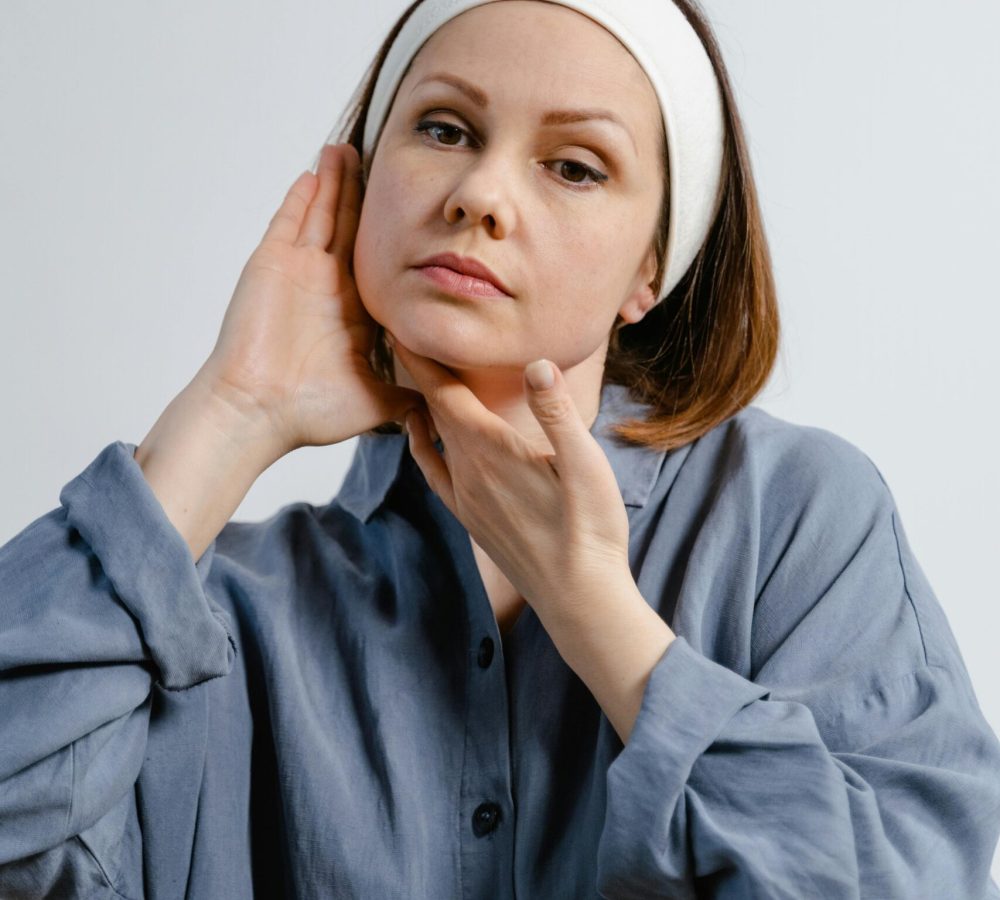
You do not need a formal diagnosis to reach out. If you recognise any of these, a physiotherapy assessment can give you clarity.
- Headaches that start at the base of the skull or behind the eyes — especially after long desk sessions or poor sleep
- Jaw pain, tightness, or a clicking or locking sensation when eating, yawning, or speaking
- A sense of being off-balance or mildly dizzy — particularly when turning your head or looking up
- Facial asymmetry, jaw deviation, or one side of your jaw feeling tighter than the other
- Headaches that are not fully relieved by medication or that return despite wearing a dental splint
- Neck stiffness or restriction that seems connected to your headaches or facial pain
Why These Conditions Often Do Not Resolve on Their Own
The jaw and the upper cervical spine function as a unit. Restriction or tension in one almost always affects the other — which is why treating the jaw alone, or the neck alone, rarely gives lasting relief.
Chronic headache sufferers often discover their “migraines” are actually cervicogenic — originating from stiffness at the C0–C2 level, not from a neurological cause. Dizziness patients are frequently told nothing is wrong after inner ear tests come back clear — because the real driver is upper neck proprioception, not the vestibular system.
Without addressing the full cranio-cervical picture — the jaw joint, the surrounding muscles, the upper neck, and the cranial structures — the symptoms return. The only way to understand what is actually driving your pain is a specialist hands-on assessment.
Our approach
We do not progress you just because a few weeks have passed. We progress you when your knee shows the right signs better strength, better control, better movement quality, and better tolerance to load.
That is what criteria-based ACL rehab means. It protects the graft, reduces false confidence, and gives you a clearer path back to activity and sport.
Why most ACL recoveries feel incomplete
A lot of people expect the surgery to be the hard part. In reality, surgery is only the beginning. The real work is rebuilding quadriceps strength, restoring control, improving single-leg loading, and preparing the knee for the demands of real life and sport.
That is why a knee can feel “better” but still not feel ready. Pain may settle and walking may improve, yet strength deficits, poor landing mechanics, hesitation, and side-to-side asymmetry can still remain.
How MoveSync Treats TMJ Pain and Headaches
Treatment at MoveSync follows a structured process — from root cause assessment through to strength and prevention.
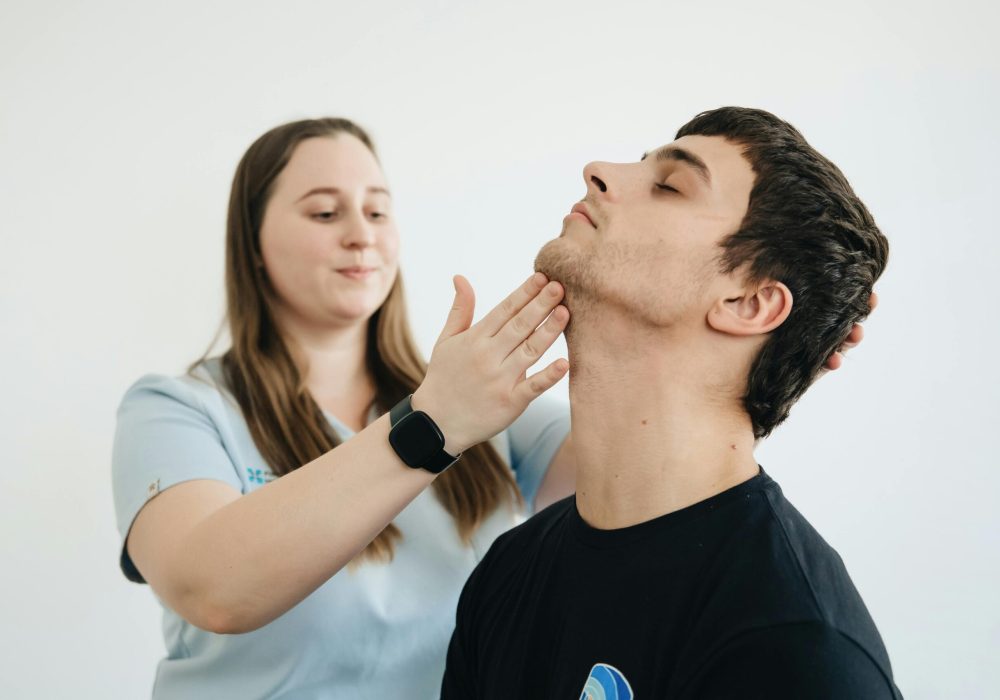
Your physiotherapist will assess the jaw joint, upper cervical spine, cranial mechanics, and postural alignment as a complete picture — not as isolated problems.
Reduce pain and irritation
Intra-oral osteopathic release to directly address the pterygoid and masseter muscles responsible for jaw tension — a technique not available at most physiotherapy clinics. Joint mobilisation using Maitland and Mulligan concepts to restore natural glide at the jaw joint and upper cervical segments.
Restore movement and balance
Advanced cranial osteopathy to release cranial tension patterns that drive stress headaches and jaw asymmetry. Upper cervical mobilisation to address the C0–C2 restrictions that generate cervicogenic headaches and dizziness. Where dizziness is present, we differentiate between cervicogenic and vestibular causes — and apply appropriate repositioning manoeuvres where indicated.
Correct the driving imbalance
Muscle imbalance correction across the jaw, neck, and shoulder girdle — identifying why certain structures are overworking and redistributing load correctly. Postural correction for desk workers whose headaches and jaw tension are maintained by how they sit and work.
Prevent recurrence
A structured home programme covering jaw relaxation, cervical mobility, postural awareness, and any condition-specific exercises. For patients working with a dentist on splint therapy, we work alongside the dental plan — addressing what the splint cannot.
Treatment may include intra-oral osteopathic release, cranial osteopathy, joint mobilisation, dry needling, soft tissue mobilisation, nerve mobilisation, and postural correction — structured around your specific symptoms and history.
What Happens at Your First Session
Your first session is 45–60 minutes. A detailed history is taken — the nature of your headaches or jaw pain, how long it has been present, what triggers or relieves it, and whether you have had any dental, neurological, or oncological input.
Your physiotherapist will assess the jaw joint, cervical spine, cranial mobility, and postural alignment. If your dizziness or headache pattern suggests a vestibular or neurological cause rather than a mechanical one, you will be advised accordingly — we will not treat what falls outside the scope of physiotherapy.
You will leave with a clear explanation of what is driving your symptoms and a realistic plan for what comes next. There is no pressure to commit to a course of sessions at your first visit.

Who Comes to MoveSync for TMJ and Headache Treatment

We regularly work with:
- Desk professionals whose headaches build through the day and are connected to neck stiffness or jaw clenching
- Patients who have worn a dental splint but still experience jaw pain or facial tension
- People whose dizziness has been investigated and cleared by ENT or neurology — and who suspect the neck is involved
- Post-cancer patients recovering from head and neck treatment seeking gentle specialist jaw rehab
- Active adults and athletes in Science City, Sola, Bodakdev, and Thaltej dealing with TMJ asymmetry or postural-related headaches
We work alongside a TMJ-specialist dentist in Ahmedabad for cases where a combined dental and physiotherapy approach gives the best outcome. If a referral or collaboration would help your case, we will discuss this at your assessment.
If your TMJ pain or headaches are connected to chronic tension, postural overload, or stress, our Chronic Pain Rehab programme may be the right starting point.
Why Patients Choose MoveSync
TMJ and cervicogenic headache cases require a level of clinical specificity that goes beyond standard physiotherapy. What makes the MoveSync approach different is the combination of orthopaedic physiotherapy, sports rehabilitation, and a fellowship-level osteopathic training — allowing assessment and treatment of the jaw, cranial structures, and upper cervical spine as one integrated system. Very few clinics in Ahmedabad offer intra-oral osteopathic techniques or specialist cranio-cervical assessment under the same roof.
- Intra-oral osteopathic release for jaw muscle tension — a specialist technique not widely available
- Cranial osteopathy for stress and tension headache patterns
- Active collaboration with a TMJ-specialist dentist for complex jaw cases
- Gentle, non-aggressive approach for post-cancer and sensitive cranial presentations

Frequently Asked Questions
My dentist gave me a mouth guard but my jaw still hurts. Can physiotherapy help?
How do I know if my headaches are coming from my neck and not a migraine?
Can neck problems really cause dizziness?
How maIs the treatment gentle enough for someone recovering from head and neck cancer?ny sessions might I need?
What happens at my first appointment at MoveSync?
Take the Next Step
If jaw pain, chronic headaches, or dizziness have been affecting your quality of life — and previous treatments have not given you lasting relief — a specialist assessment may give you the clarity and the path forward you have been looking for.
Treating other areas too? Browse all conditions we help with at MoveSync