Soft Tissue & Fascial Therapy
Soft Tissue & Fascial Therapy in Science City, Ahmedabad
Some pain lives deeper than muscle. Here is how we reach it.
Muscles get treated. Joints get mobilised. But there is a layer between and around every muscle, bone, and organ in your body that most physiotherapy never reaches — the fascia.
Fascia is a continuous sheet of connective tissue that wraps, connects, and supports every structure in your body. When it becomes restricted — through injury, surgery, overuse, chronic tension, or simply years of accumulated load — it creates a pulling, tightening pattern that maintains pain and limits movement in ways that joint treatment and exercise alone cannot resolve.
At MoveSync, three specialist techniques are used to address soft tissue and fascial restrictions: Stecco Fascial Manipulation, IASTM, and dry cupping. Each targets a different layer and a different type of restriction — and each is selected based on your specific clinical presentation.

What It Does for You
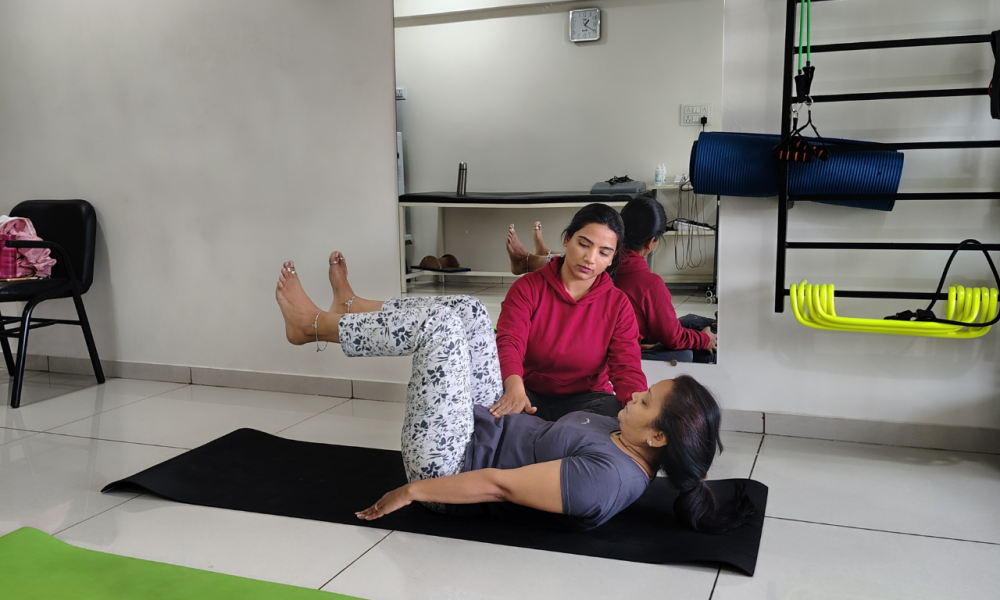
Soft tissue and fascial therapy releases the restrictions that are silently maintaining your pain — the tightness in the IT band that keeps the knee loading incorrectly, the thoracolumbar fascia that prevents the back from fully releasing after treatment, the plantar fascia that no amount of stretching seems to ease, the C-section scar that quietly inhibits core activation years after the wound healed.
For many patients, the change in movement and pain after a fascial release session is immediate and noticeable — not because the technique is aggressive, but because the restriction being released was the missing piece in a recovery that had plateaued.
Three Techniques — What Each One Does
Stecco Fascial Manipulation
For chronic pain · movement restriction · treatment-resistant presentations · post-surgical recovery
Developed by Italian physiotherapist Luigi Stecco, Fascial Manipulation is one of the most systematically researched fascial treatment methods in physiotherapy. It is based on a precise anatomical map of the fascial system — identifying specific points on the fascia where restrictions accumulate and applying targeted manual pressure to release them.
The assessment identifies which fascial points are involved based on your movement pattern and pain distribution — not just where it hurts. Treatment involves sustained, specific pressure at those points, which can feel intense during application but is followed by a clear release and improved movement.
At MoveSync, Dr. Mansi Shah is trained in Stecco Fascial Manipulation methodology across all three levels of the system — covering the upper limb, lower limb, trunk, and the full three-dimensional fascial assessment approach. Applied where standard physiotherapy has reached its limit.
We assess, treat, and immediately re-test your movement in the same session — so you can feel the fascial release and its effect on your movement in real time.
IASTM — Instrument Assisted Soft Tissue Mobilisation
For tendon pain · scar tissue · fascial adhesions · sports overuse injuries · restricted movement
IASTM uses specifically designed stainless steel tools to detect and treat restrictions in the soft tissue and fascial layers beneath the skin. The tool amplifies the clinician’s ability to identify subtle texture changes, adhesions, and restrictions that hands alone might miss — and delivers precise, targeted treatment to those areas.
The technique is particularly effective for:
- Tendon pain — patellar tendinopathy, Achilles tendinopathy, tennis elbow, and rotator cuff tendinosis where the tendon-fascial interface has become restricted
- Scar tissue — C-section scars, post-surgical adhesions, and old injury scars that are restricting movement or inhibiting muscle activation
- IT band and plantar fascia — chronic restrictions that stretching and foam rolling never fully resolve
- Sports overuse injuries — shin splints, forearm RSI, and hip flexor restrictions in athletes with high training loads
During IASTM, a redness called petechiae may appear on the skin — this is a normal response indicating increased blood flow and tissue activation in the treated area. It fades within 24 to 48 hours. This is explained before treatment begins so there are no surprises.
We assess, treat, and immediately re-test your movement in the same session — the change in tissue texture and movement quality is typically noticeable within the session itself.
Dry Cupping
For sports recovery · deep muscle tension · fascial decompression · chronic tightness
Where IASTM and fascial manipulation work by compressing and loading the tissue, dry cupping works by decompression — lifting the fascial layers away from the underlying muscle to create space, improve circulation, and release the deep tissue tension that compression techniques cannot reach.
Cups — silicone, glass, or mechanical — are applied to the skin and create a controlled suction. Static cupping holds the cups in position over restricted areas. Gliding cupping moves the cups along the fascial lines to treat a broader area.
At MoveSync, dry cupping is used for:
- Post-competition and heavy training recovery — releasing deep muscle and fascial tension in athletes after high-load sessions or tournaments
- Chronic upper back and shoulder tension — periscapular and thoracic fascial decompression for desk workers and athletes alike
- Lower limb recovery — quadriceps, hamstrings, and calf fascial decompression for runners and gym-goers
- Combined with IASTM or needling — where both compression and decompression approaches are used in the same session for maximum tissue release
Cupping leaves circular marks on the skin — ranging from light pink to dark purple depending on the level of tissue restriction present. These are not bruises from trauma. They are a normal response to the suction and tissue release, and they fade within 3 to 7 days. Every patient is informed and shown what to expect before the first cup is applied.
We assess, treat, and immediately re-test movement in the same session — particularly for shoulder rotation, thoracic extension, and hip flexion, where cupping produces the most immediate and measurable change.
At MoveSync Specifically
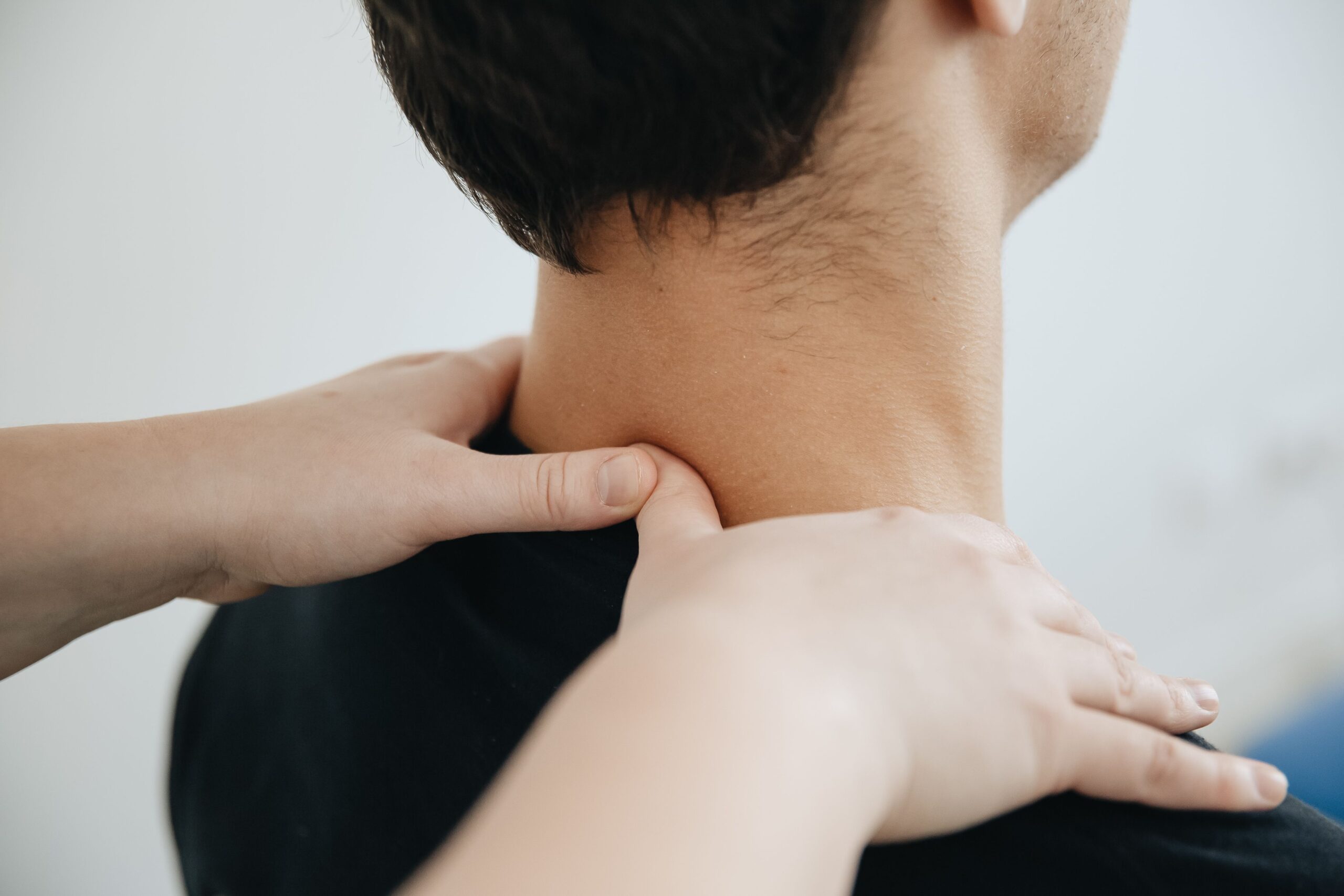
Soft tissue and fascial therapy at MoveSync is never applied as a standalone treatment. It is used as part of a broader clinical plan — releasing the fascial restrictions that are preventing joint treatment, exercise therapy, or loading from producing lasting results.
The combination of all three techniques — Stecco Fascial Manipulation for deep fascial system work, IASTM for tendon and scar tissue, and dry cupping for decompression and recovery — means that whatever layer of soft tissue restriction is present, there is a tool available to address it. This range of techniques within a single treatment session is not available at most physiotherapy clinics in Ahmedabad.
What to Expect — Across All Three Techniques
Before
During
- Stecco Fascial Manipulation: sustained pressure at specific fascial points — can feel intense but is followed by a clear release
- IASTM: firm stroking with the tool across the restricted area — patients describe it as a deep, focused pressure. Redness appears during and after treatment
- Dry cupping: a pulling sensation as the suction lifts the tissue — most patients find it unusual but not painful. The cups may be static or moving depending on the treatment goal
After
- IASTM: treated area may be red and mildly tender for 24 to 48 hours — similar to after a deep massage. Normal activity can resume
- Dry cupping: circular marks ranging from light pink to dark purple, fading over 3 to 7 days. Mild tenderness in the area is normal
- Stecco Fascial Manipulation: mild soreness at the treated points for 12 to 24 hours — followed by improved movement and reduced pain
Conditions Where Soft Tissue & Fascial Therapy Is Commonly Used
Frequently Asked Questions
Will IASTM or cupping leave marks — and is that normal?
Is fascial manipulation painful?
How is this different from a regular sports massage?
Take the Next Step
If chronic tightness, restricted movement, or soft tissue pain that has not responded to standard treatment is affecting your daily life or training — a fascial assessment may reveal what has been missed.