Dry Needling
Dry Needling in Science City, Ahmedabad
Pain that stretching and massage can't reach — dry needling often can.
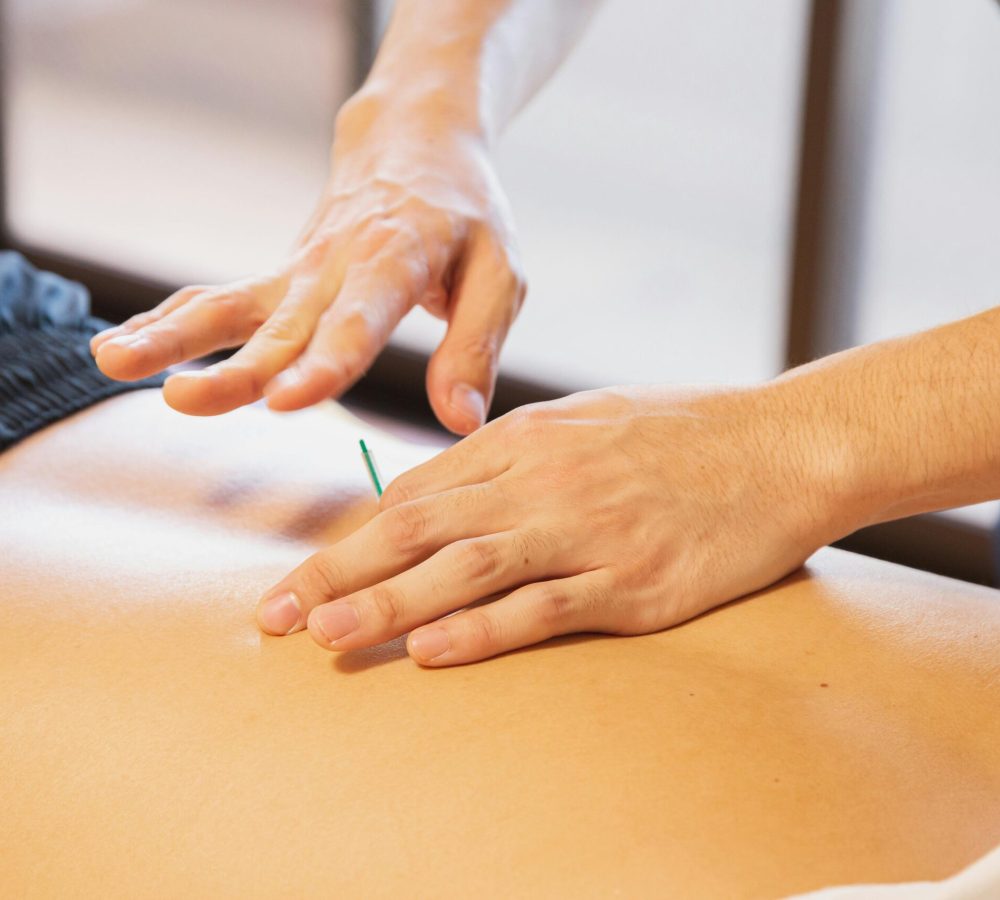
Some pain comes from trigger points — tight, hypersensitive knots within muscle tissue that restrict movement, refer pain to other areas, and maintain a pain cycle long after the original injury has healed. These trigger points do not respond well to stretching, heat, or manual therapy alone. A fine needle placed directly into the trigger point produces a release that is faster and more complete than almost any other technique.
At MoveSync, dry needling is one of the most frequently used techniques in treatment — applied across a wide range of musculoskeletal conditions, sports injuries, nerve-related pain, and facial and upper cervical presentations.
What It Does for You
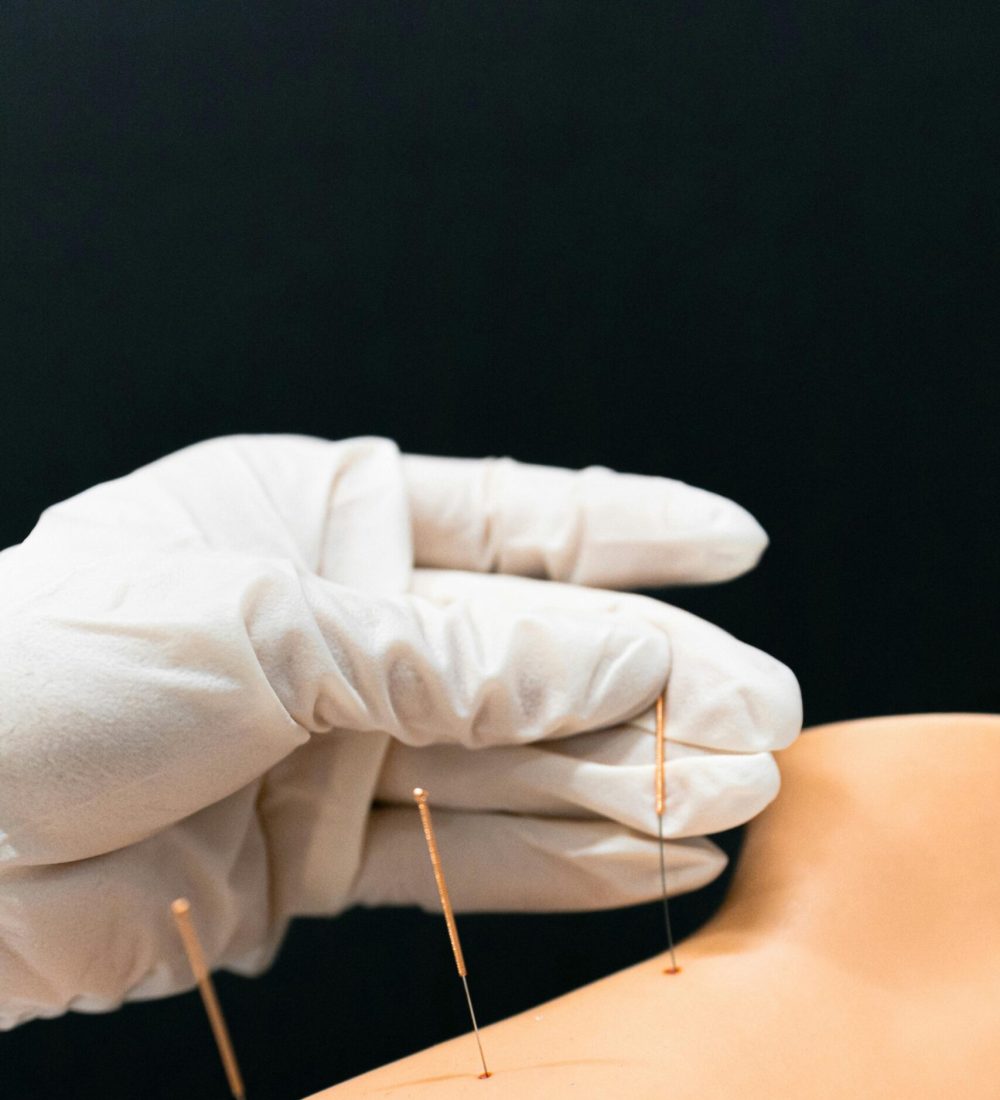
Trigger point dry needling works by inserting a fine, sterile needle directly into the active trigger point. This produces a brief local twitch response — a rapid contraction of the muscle fibres followed by a release. The release deactivates the trigger point, restores normal blood flow to the area, reduces referred pain, and allows the muscle to function normally again.
Research on dry needling in sports and musculoskeletal conditions has grown sixfold over the past decade — from a niche technique to one of the most studied manual therapy approaches in physiotherapy. For many patients, the relief is immediate and noticeable within the same session. For chronic presentations, improvement accumulates over two to four sessions.
What We Use Dry Needling For
Chronic neck and upper back pain
Trigger points in the SCM, scalenes, trapezius, and suboccipitals
Back pain and sciatica
Lumbar paraspinals, piriformis, and gluteal trigger points contributing to referred leg pain
Shoulder pain
Infraspinatus, teres minor, and subscapularis trigger points that refer pain down the arm
Headaches
Cervicogenic and tension headaches driven by suboccipital and upper cervical trigger points
Knee pain
Quadriceps, hamstring, and IT band trigger points altering knee mechanics
Foot and ankle pain
Calf, tibialis, and plantar trigger points contributing to heel pain and Achilles tension
Elbow and wrist pain
Forearm and extensor trigger points in tennis elbow and RSI
Sports muscle injuries
Acute and chronic muscle strain, post-competition soreness, and return-to-sport loading
Facial pain and TMJ
Pterygoid, masseter, and temporalis trigger points for jaw tension and facial pain
Upper cervical and neural presentations
Periosteal and neural dry needling where nerve-related pain is involved
At MoveSync Specifically
Dry needling at MoveSync goes beyond standard trigger point work. Three aspects make the approach here different from most clinics:
Sports and Performance Needling
For athletes — wrestlers, cricketers, runners, gym-goers — dry needling is used as part of a broader sports recovery strategy. Post-competition muscle overload, stubborn muscle tension that limits training, and acute sports muscle injuries all respond well to dry needling combined with progressive loading and movement correction. It is not used as a standalone treatment for athletes — it is used to accelerate the recovery that allows training to resume.
Facial and Upper Cervical Dry Needling
Dr. Mansi Shah applies dry needling to the face — including the pterygoid, masseter, and temporalis muscles — for TMJ dysfunction, jaw tension, and facial pain. Upper cervical dry needling addresses suboccipital and upper trapezius trigger points contributing to cervicogenic headaches and dizziness. These are specialist applications that require precise anatomical knowledge and are not offered at most physiotherapy clinics.
Neural and Periosteal Dry Needling
Where nerve-related pain is part of the clinical picture — radiculopathy, sciatica, or nerve entrapment — needling along nerve pathways and at periosteal points is used alongside trigger point work to address both the muscular and neural components of the pain. This combined approach is particularly effective for chronic nerve pain that has not responded to manual therapy alone.
What to Expect — Before, During, and After
Before
During
The needles used are extremely fine — far thinner than an injection needle. Most patients feel very little during insertion. When the needle reaches an active trigger point, a brief muscle twitch occurs — a rapid contraction and release of the muscle fibres. This twitch feels like a short, deep cramp. It lasts one to two seconds and is often followed immediately by a sense of release and reduced tension in the area.
Many patients are surprised by how manageable the experience is. Patients who describe themselves as needle-phobic regularly complete dry needling sessions at MoveSync without difficulty. Children from age 12 are treated routinely. The technique is applied with a level of precision and care that makes a significant difference to the patient experience — particularly for sensitive areas like the upper cervical spine and face.
After
Conditions Where Dry Needling Is Commonly Used
If you are dealing with any of these conditions, dry needling may be part of your treatment plan:
Frequently Asked Questions
Does dry needling hurt?
Is dry needling the same as acupuncture?
How many sessions will I need?
Take the Next Step
If pain that has not responded to stretching, massage, or rest is affecting your movement or daily life, dry needling may be the missing piece in your recovery.