Joint Mobilisation & Chiropractic Techniques
Joint Mobilisation & Chiropractic Techniques in Science City, Ahmedabad
Restoring natural joint movement — precisely, safely, and based on a thorough assessment first.
Joint mobilisation and chiropractic adjustment techniques are among the most researched and widely used approaches in physiotherapy and manual medicine. When a joint is restricted — whether in the spine, pelvis, or a peripheral joint — it creates compensatory load on the surrounding muscles, nerves, and adjacent joints. Restoring that movement reduces pain, improves function, and removes the mechanical stress that keeps symptoms returning.
At MoveSync, these techniques are never applied as a default. They are selected based on a thorough clinical assessment of how you move, where restriction exists, and what technique is appropriate for your specific presentation and stage of recovery.

What It Does for You

A restricted joint does not always produce local pain. It often produces pain somewhere else — the neck referring into the head, the thoracic spine contributing to shoulder pain, the hip driving knee or back symptoms. Joint mobilisation and chiropractic techniques restore movement at the source, not just where it hurts.
A 2024 review confirmed that spinal manipulation is an effective conservative treatment for disc herniation with radiculopathy — demonstrating moderate evidence for reducing pain and disability alongside McKenzie method and neural mobilisation. For most patients, improvements in range of motion and pain are noticeable within the first one to three sessions.
Techniques Used at MoveSync
Mulligan Concept (Mobilisation with Movement)
A joint glide applied by the therapist while you actively move — finding a pain-free pathway through the restricted range. Particularly effective for peripheral joints and for conditions where movement is limited by pain rather than structural restriction.
McKenzie Method (MDT)
A directional preference approach used primarily for spinal conditions — particularly disc-related back and neck pain. Assessment identifies the specific movement direction that centralises pain and guides both treatment and your home programme.
Maitland Mobilisation
Graded oscillatory joint movements — ranging from gentle grade I and II for pain relief to grade III and IV for restoring range of motion in stiffer joints. Applied to the spine and peripheral joints based on your pain behaviour and irritability.
Muscle Energy Technique (MET)
An osteopathic manual therapy technique where your own gentle muscle contractions are used to release restricted spinal and pelvic segments. Precise, controlled, and highly effective for both acute spasm and chronic mechanical stiffness — particularly at the sacroiliac joint and thoracic spine.
Kaltenborn Mobilisation
Traction and glide techniques based on joint surface geometry — used to restore accessory joint motion in peripheral joints where standard mobilisation alone is insufficient.
High Velocity Low Amplitude (HVLA) Thrust
The technique most commonly associated with chiropractic adjustment. A precisely directed, controlled thrust applied to a restricted spinal segment to restore movement. When indicated and performed correctly after a thorough assessment, it is safe and often produces immediate relief.
What We Use These Techniques For
- Back pain — mechanical, disc-related, and SIJ dysfunction
- Neck pain and cervicogenic headaches
- Shoulder pain and frozen shoulder
- Knee, hip, and ankle stiffness
- Elbow and wrist restriction
- Post-surgical joint stiffness
- TMJ and jaw restriction

What to Expect — Before, During, and After
Before
During
- Mulligan and Maitland mobilisations feel like a controlled pressure or guided movement through a range you could not reach comfortably before. Most patients describe it as firm but not painful.
- MET involves you gently pushing against resistance while your physiotherapist applies a counterforce — you will feel the muscle working, followed by a release and improved range.
- HVLA thrust produces the click or popping sound most people associate with chiropractic. The sound is simply gas releasing from the joint fluid — it does not indicate the effectiveness of the technique, and it is not the goal. At MoveSync, the goal is restored movement and reduced pain — not the click.
After
A Word on Safety — and Why Assessment Comes First
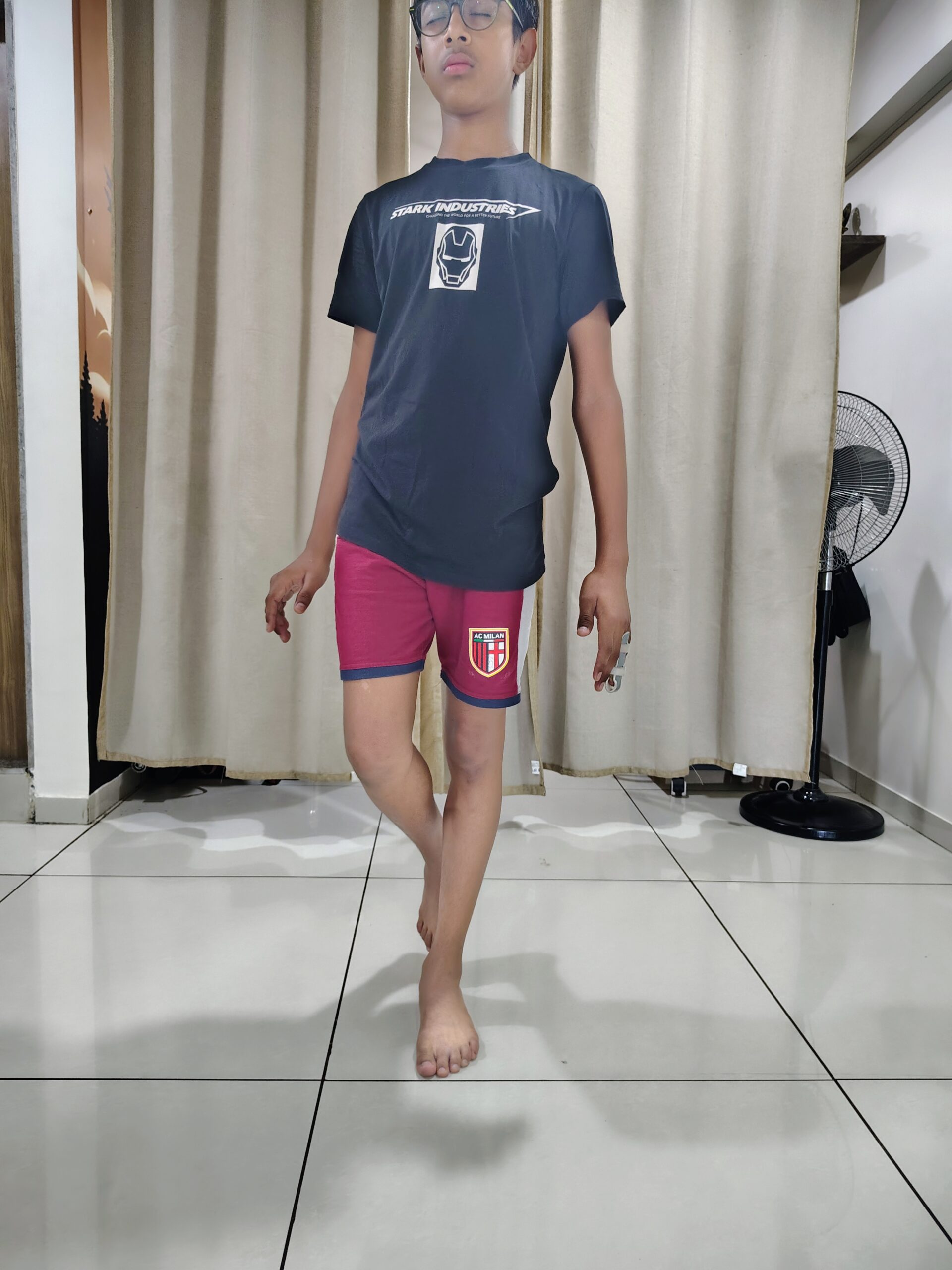
There are many unqualified or minimally trained practitioners in Ahmedabad performing spinal manipulation — often with a focus on producing the click sound rather than on clinical outcomes. Social media has amplified this, presenting the cavitation sound as the marker of a successful treatment. Research does not support this. The sound is a byproduct of joint movement — not the mechanism of benefit.
Spinal manipulation performed without proper assessment, contraindication screening, and clinical reasoning carries real risk — particularly for the cervical spine. At MoveSync, every patient undergoes a full assessment before any manipulation is applied. Contraindications are screened for. The technique chosen is based on your clinical presentation — not on what produces the most dramatic result.
Dr. Mansi Shah holds an MPT in Orthopaedics and Sports and a Fellowship in Osteopathy — with training across the full range of mobilisation and manipulation techniques. The assessment is not a formality. It is what makes the treatment safe and effective.
At MoveSync Specifically
Joint mobilisation and chiropractic techniques at MoveSync are applied within a broader treatment framework — not as standalone interventions. In most cases, mobilisation or manipulation is combined with soft tissue work, exercise therapy, and load management to produce lasting results rather than temporary relief.
The kinetic chain approach means that restriction in one joint is always assessed in the context of what is happening above and below it. A stiff thoracic spine affecting shoulder movement, a restricted hip driving back pain, an ankle limitation contributing to knee mechanics — these connections are always part of the clinical picture.
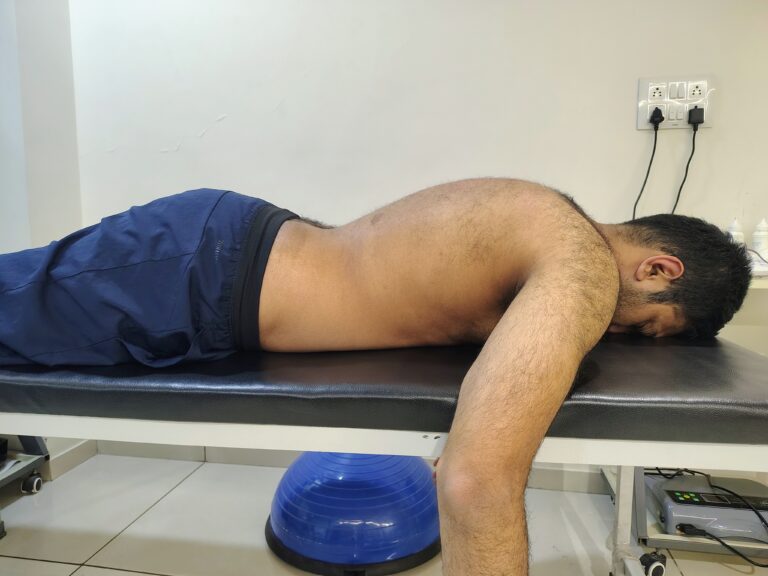
Conditions Where These Techniques Are Commonly Used
If you are dealing with any of these conditions, joint mobilisation or chiropractic techniques may be part of your treatment plan:
Frequently Asked Questions
Is chiropractic adjustment safe — and how is it different from what unqualified practitioners do?
Will it hurt? And what is the clicking sound?
How many sessions will I need?
Take the Next Step
If joint stiffness, restricted movement, or pain that keeps returning is affecting your daily life or activity, a clinical assessment will tell you whether joint mobilisation or chiropractic techniques are the right approach for you.